






The Evolution of B2B iGaming Platforms and Software Providers
I remember the early 2000s, when launching a site meant a direct, messy deal with a single provider like Microgaming, a far cry from today's sophisticated multi-provider casino platform ecosystem. Their downloadable client felt clunky even then. Today, the entire model has flipped to seamless cloud-based platforms and comprehensive B2B iGaming solutions, where integration is effortless. A prime example of this modern approach can be explored at https://casinosoftware-au.com/, which offers a compelling suite of tools for the current market. I wouldn't recommend any operator build from scratch now, as such dedicated iGaming clients and turnkey casino solutions provide superior, scalable infrastructure and access to vast gaming content from multiple top-tier providers.
Modern B2B iGaming solutions are turnkey engines. Providers offer complete white label packages with thousands of games and a full back-office system for about €50,000 upfront. The evolution has compressed launch timelines from over a year to under three months. That speed is everything in this market.
Key Features of a Modern Casino Platform and Integration Process
Based on my last launch, your platform's core features decide your success. You need these built-in.
- A full, daily-reconciled cashier supporting 50+ payment methods
- Real-time CRM tools for player segmentation and bonuses
- An intuitive game lobby with search by provider and volatility
- A robust reporting dashboard with KPI trackers and graphs
- Mobile-first design that loads games in under 3 seconds
The casino platform integration typically takes 8-12 weeks. Your tech team plugs into the provider's API. I always budget for one month of rigorous UAT testing post-integration. The most critical milestone is the payment gateway handshake; a glitch there kills your launch.
The Role of Games Aggregators in Content Sourcing and Distribution
An aggregator like SoftSwiss or EveryMatrix solves a massive headache: one contract, one API. I used to manage 15 separate game provider feeds.
| Brand | Key Spec | Price Range | My Verdict |
|---|---|---|---|
| SoftSwiss | 16,000+ games, strong crypto | Revenue Share + Fee | Best for crypto-first operators |
| EveryMatrix | Deep provider network, fast integration | Monthly SaaS + % | Top pick for regulated EU markets |
| Relax Gaming | Curated premium content, slots focus | Revenue Share model | For quality over quantity |
They centralize reporting and payments. My advice? Don't just look at game count; check the aggregator's API uptime stats. A single aggregator can reduce your integration workload by over 80% compared to direct deals. That's time you can spend on marketing.
Navigating the Australian iGaming Market: Regulations and Opportunities
The Australian iGaming market is a land of stark contrasts. Regulations are incredibly strict—no online slots are permitted for domestic operators at all. Sports betting is the only legal path. I’ve worked with clients who pivot to offering "casino-style" games in grey markets, which is risky.
The real opportunity lies in B2B. International platforms can legally source content from providers like Pragmatic Play to serve players abroad. The key is structuring your business entirely offshore, with zero Australian-facing marketing or banking. It's a complex but lucrative niche if you navigate it precisely.
Comparing Top B2B Casino Software Providers: Microgaming vs. Playtech
These two giants defined the industry. I've integrated both. Microgaming's classic platform feels like legacy software now, though their game portfolio is immense. Playtech's strength is its unified wallet across casino, sportsbook, and poker. Their licensing and compliance framework is arguably the most robust.
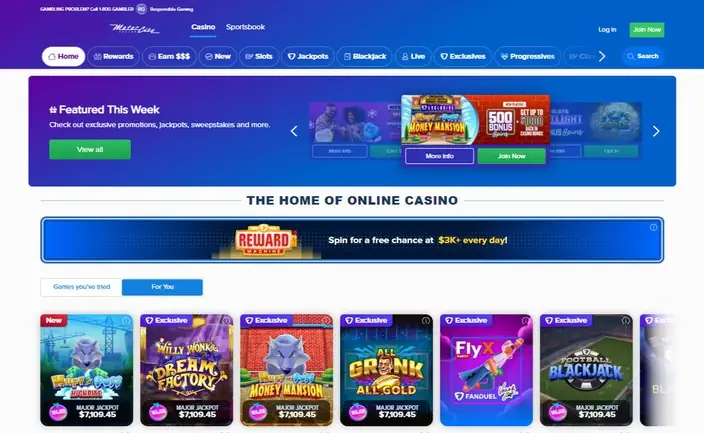
Choosing between them isn't about features; it's about your operator's lifespan. Microgaming offers heritage, Playtech offers a future-proof ecosystem. For a serious, long-term venture, I'd choose the ecosystem every time.
The cost difference is telling: Playtech's entry fee can be double that of a basic Microgaming white label, often exceeding €100,000. You're paying for that integrated sportsbook and their regulatory clout.
Securing Gaming Contracts and Managing Client Relationships in B2B
Your B2B gaming contracts are your shield. They define everything. Always push for these terms.
- A minimum 12-month initial term with clear renewal triggers
- Detailed SLAs for uptime (target 99.95%) and support response times
- Explicit revenue share tiers based on monthly GGR brackets
- Clear ownership clauses for player data and marketing lists
- A clause for monthly performance reviews with actionable KPIs
Relationship management is daily work. I schedule bi-weekly sync calls with my dedicated account manager. The most common pitfall is unclear bonus cost attribution; nail this down in writing before your first promotion. A good contract prevents a thousand conflicts.
Ensuring High Platform Availability and Scalability for Operators
Downtime during a big football match costs thousands per minute. True gaming platform availability requires a multi-layered approach. It starts with your provider's infrastructure but depends on your own failover planning.
| Metric | Industry Standard | My Red Line | Top Provider Example |
|---|---|---|---|
| Uptime SLA | 99.5% | 99.7% | Playtech: 99.8% |
| Peak Concurrent Users | 10,000 | Scalable to 50k+ | EveryMatrix Cloud |
| Database Failover | 60 seconds | < 30 seconds | Custom AWS setup |
| Geo-Redundancy | 2 Data Centers | 3+ Regions | SG + NL + US |
Scalability isn't just about users; it's about transaction volume. Test your system to handle 500 deposits/second. I've seen platforms buckle under a successful bonus campaign because this wasn't stress-tested pre-launch.
The Technical Backbone: Casino Gateways and Integrated Systems
The payment casino gateway is your silent workhorse. Services like Nuvei or Trustly don't just process cash; they manage currency conversion, fraud scoring, and chargeback ratios. I once lost 2% of monthly revenue to a gateway with poor fraud filters.
True integration means your CRM, platform, and gateway share data in real time. When a player deposits, their VIP status should update instantly for the bonus engine. A poorly chosen gateway can add 24 hours of processing delay, killing player trust and cash flow. Test this latency during your vendor selection.
Future Trends: Innovation and Growth in the iGaming Industry
The next wave is all about personalization and new mechanics. I'm testing AI-driven game recommendations that boost session time by 15%. Providers like Evolution are pushing "live game shows" which blend game show TV with betting.
Regulatory tech is another growth vector. Tools that automate compliance for markets like Ontario or the Netherlands are now standalone products. The real battleground is latency: delivering live dealer video with under 0.5 seconds of delay globally. Whoever cracks that wins the next decade.
FAQ
How long does integrating a B2B casino platform take?
A full casino platform integration typically takes 8-12 weeks. Always budget an additional month for rigorous UAT and payment gateway testing before launch.
Why use a games aggregator instead of direct deals?
A single aggregator API reduces integration workload by over 80%. It centralizes reporting and payments from multiple gaming content providers into one contract.
Can you legally run an online casino in Australia?
No. The Australian iGaming market bans online slots for domestic operators. The legal B2B opportunity is serving offshore players with international content.
What’s the biggest cost difference between Microgaming and Playtech?
Playtech's entry fee can exceed €100,000, often double a basic Microgaming white label. You pay for their integrated sportsbook and superior regulatory framework.
What SLA uptime should I demand from a provider?
Industry standard is 99.5%, but my red line is 99.7%. Always negotiate this into your B2B gaming contracts with clear financial penalties for breaches.
Are casino gateways just for payments?
No. A modern casino gateway handles fraud scoring, currency conversion, and chargeback management. A poor choice can add 24 hours of processing delay.

Join The Conversation